
- Urgency level : High
- Lebanon
- Armed conflict
- Population displacement
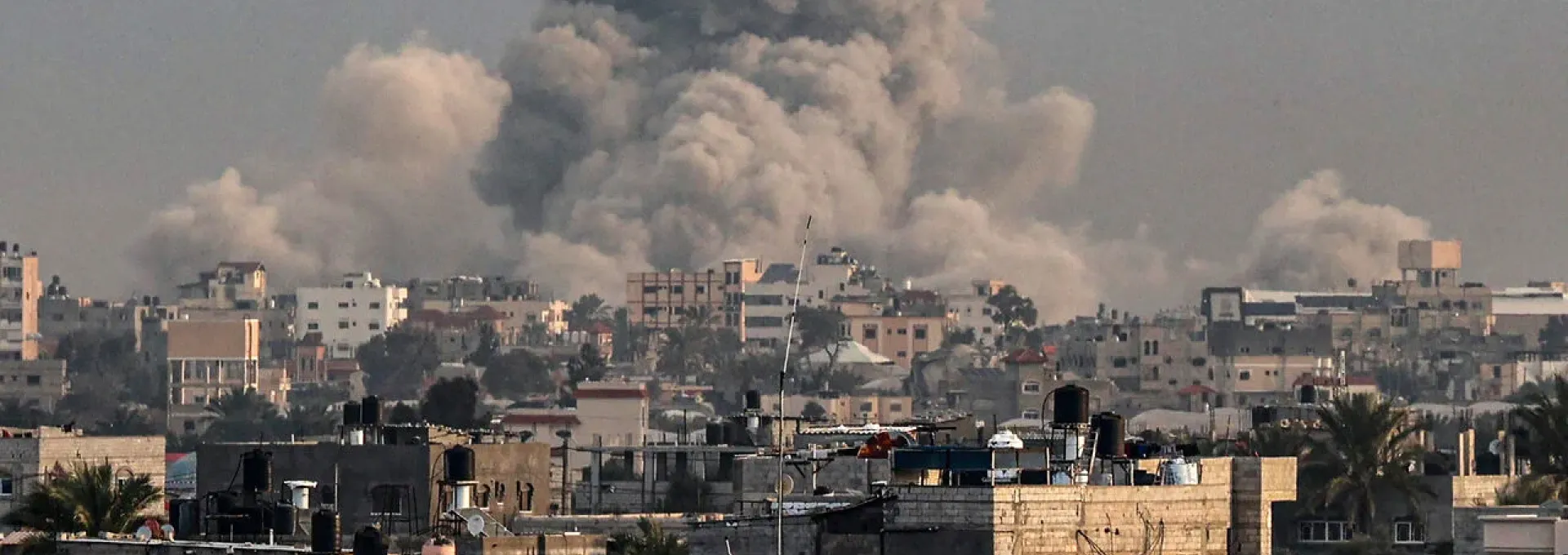
In Lebanon, the gradual return of hundreds of thousands of people does not mean the end of the crisis. Around 860,000 displaced people have returned to their home regions, but nearly 360,000 people remain away from their homes. Many are returning to damaged homes, weakened infrastructure and essential services under considerable strain.
personnes demeurent éloignées de leur foyer au Liban, malgré le retour de 860 000 déplacés.
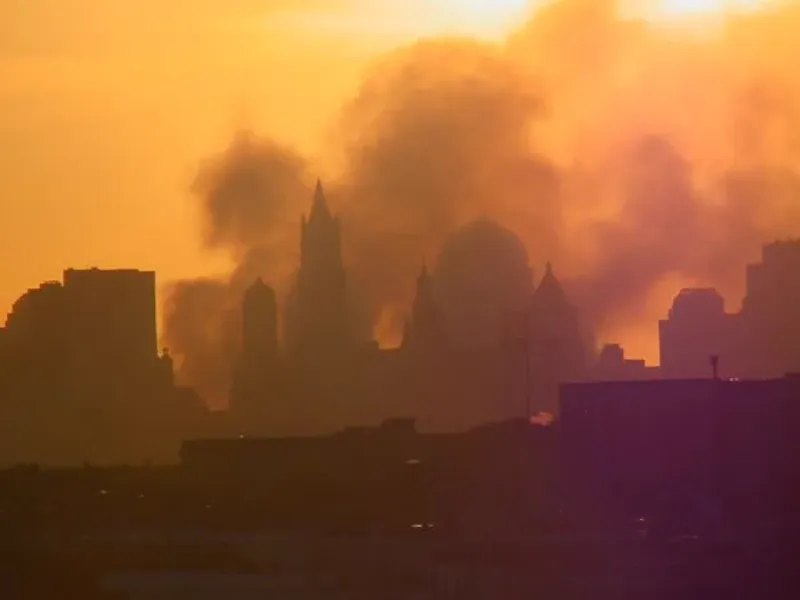
The hostilities have exacerbated an already precarious socio-economic situation. Displacement, disruption to markets and difficulties in accessing agricultural land are exposing a growing proportion of the population to food insecurity. Displaced children and families continue to face significant needs in terms of shelter, healthcare, water, education and psychosocial support, whilst host communities must cope with additional pressure on their limited resources.
Beyond the physical return of populations, recovery involves making these areas habitable and economically viable once again. The reconstruction of housing and services, the restoration of agricultural production, the reopening of schools and support for income-generating activities will be crucial. A sustainable response must therefore link humanitarian protection, social cohesion and reconstruction in order to prevent displacement from turning into prolonged precariousness.