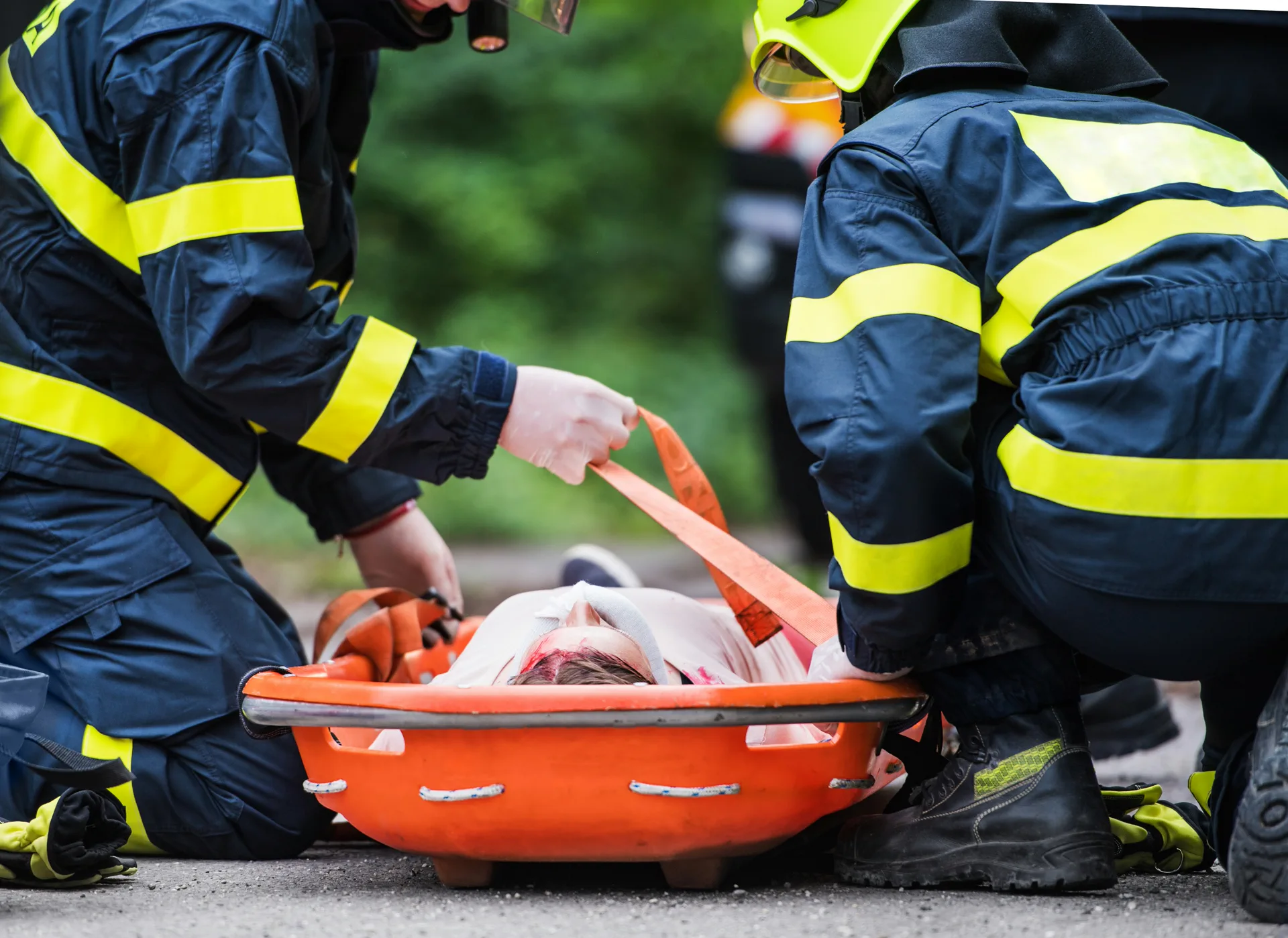
Direct Deployment Alert • 24/7 International Monitoring

International Relief: Survival First

At the heart of crises, every life calls for our solidarity

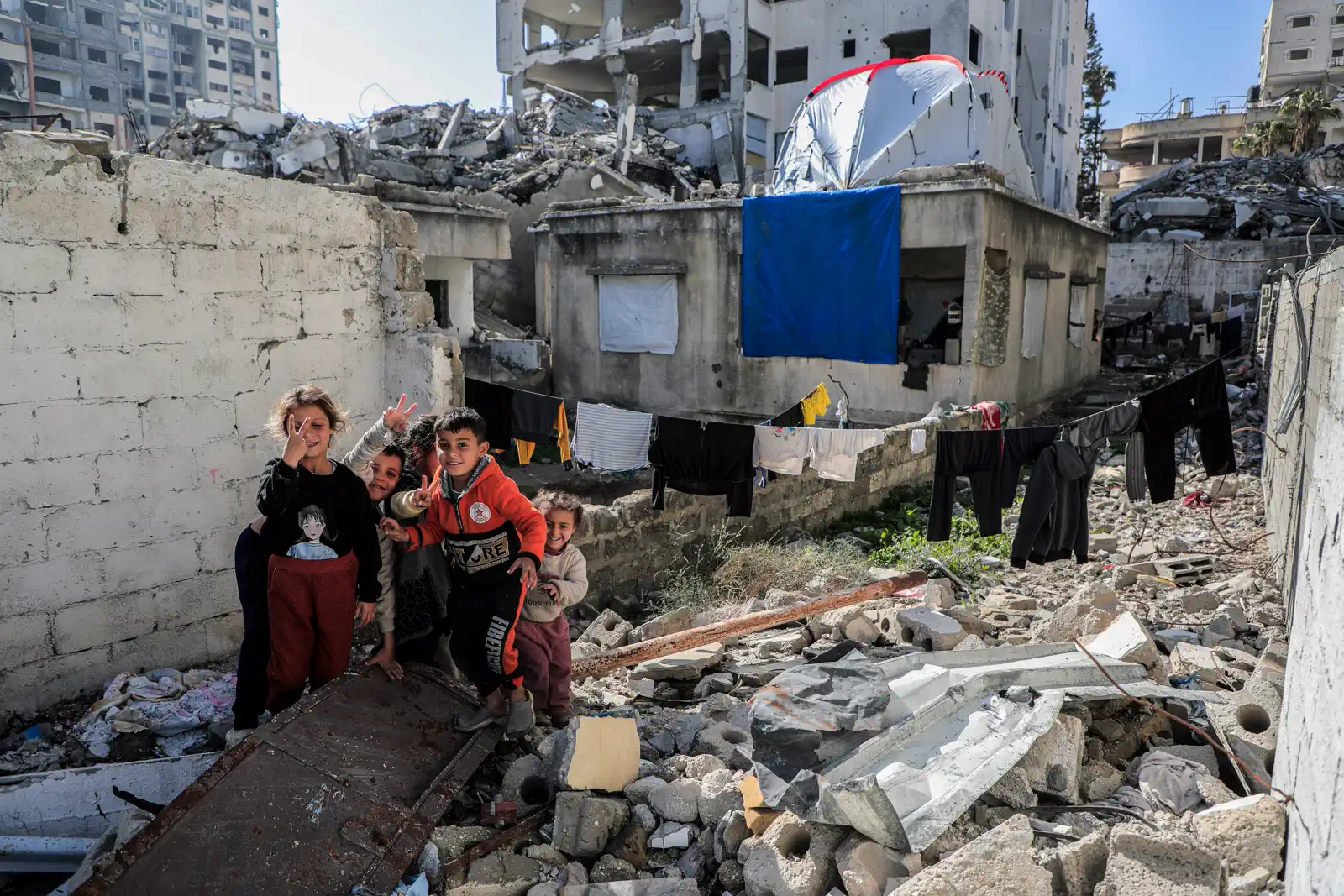
A crisis can, within hours, deprive a family of water, food, healthcare, shelter and all safety. But it must never condemn them to abandonment. International Relief mobilizes to protect lives, restore essentials and support populations on the path to recovery.

Every commitment strengthens the capacity to act: delivering assistance, supporting affected communities, preserving dignity and giving those impacted the means to rebuild their future.

Let us not look away. Let us turn solidarity into a concrete response.

International Relief - Field Mission
INTERNATIONAL RELIEF, OUR MISSION AND OUR CAUSE

A supportive presence alongside populations in distress

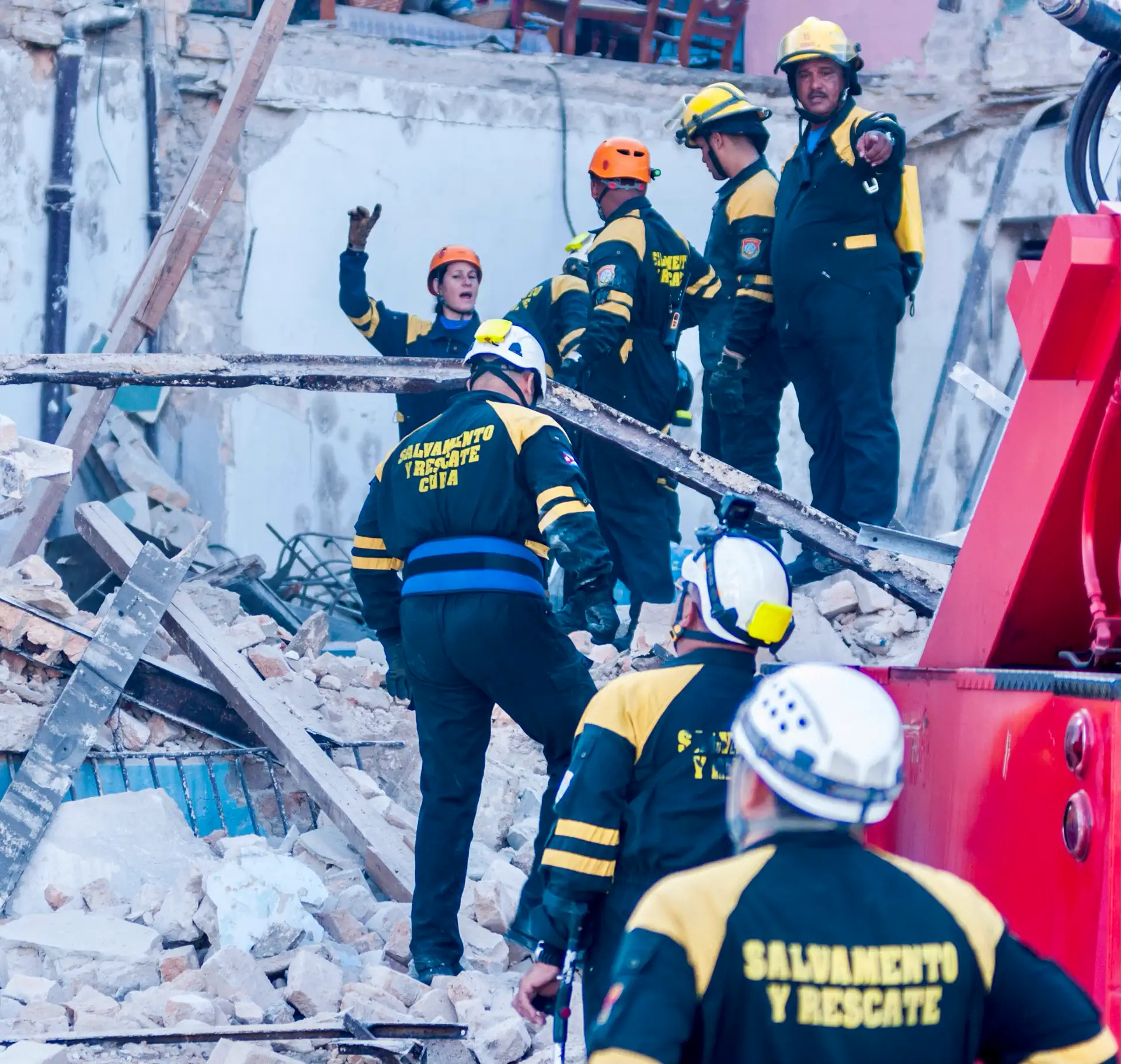
In emergencies, every hour counts. International Relief intervenes when the life, health, safety or dignity of populations are severely threatened. Its mandate allows it to assess needs, mobilize resources and organize a coordinated response with authorities, local actors and partner organizations.

Its framework is designed to launch an initial mobilization within 72 hours of a confirmed alert. Assistance addresses the most pressing needs while preparing the restoration of essential services and the resumption of community life.

Because survival is not enough, International Relief also supports recovery, the restoration of livelihoods and the strengthening of local capacities needed to face future crises.

DISCOVER INTERNATIONAL RELIEF
Mobilization within 72h
Alert | Humanitarian Deployment
Initial deployment guaranteed upon the occurrence of a major humanitarian shock
Learn more
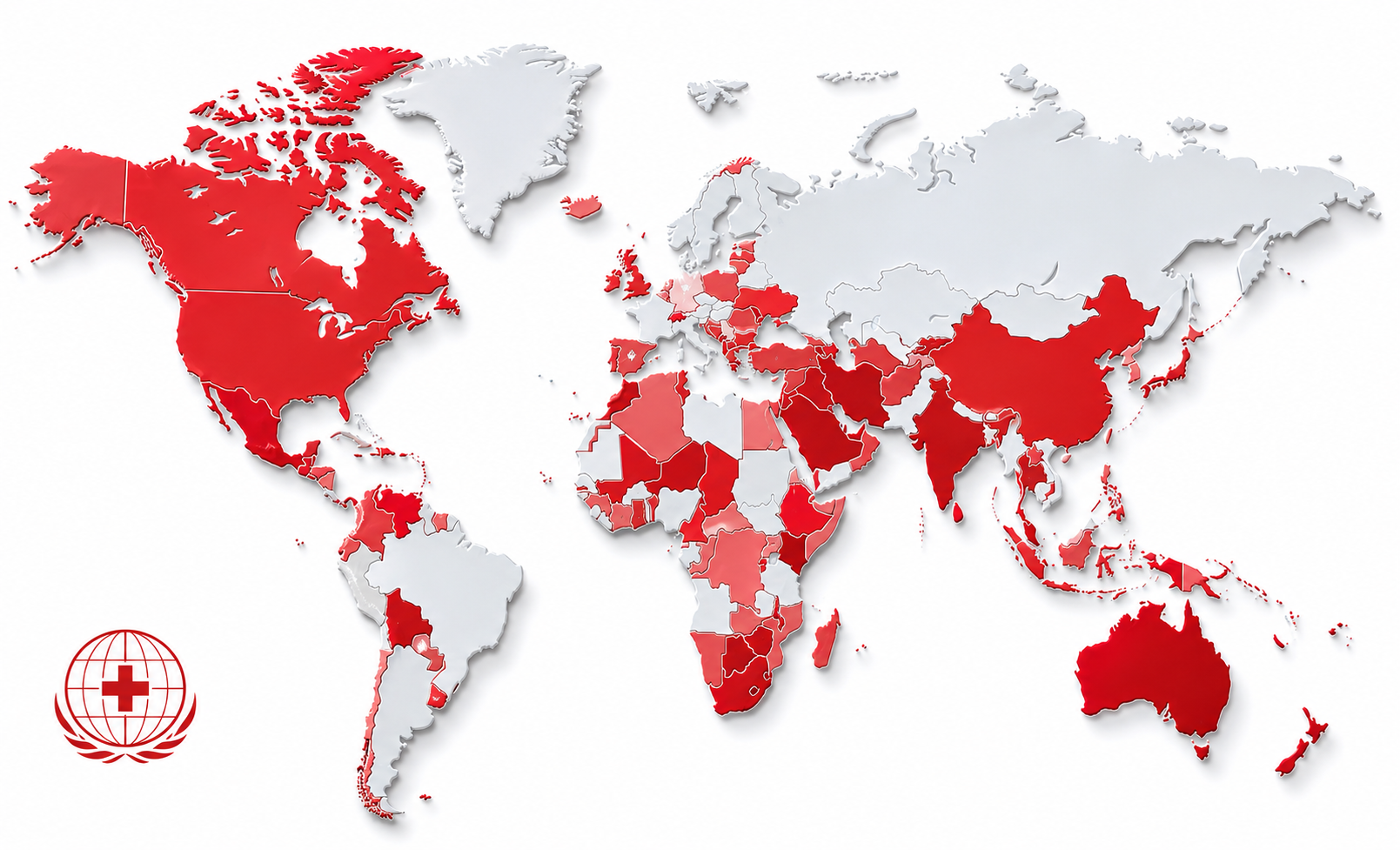
+25 countries
Coordinated presence with local actors and international agencies
Your help is needed
Join our cause
HUMANITARIAN EMERGENCIES IN THE SPOTLIGHT

Emergencies that cannot be left unanswered

These crises must not become a mere succession of numbers. They represent disrupted lives, displaced families and communities deprived of the essentials. Making them visible is already a refusal to let them fall into oblivion.

Famine Alert

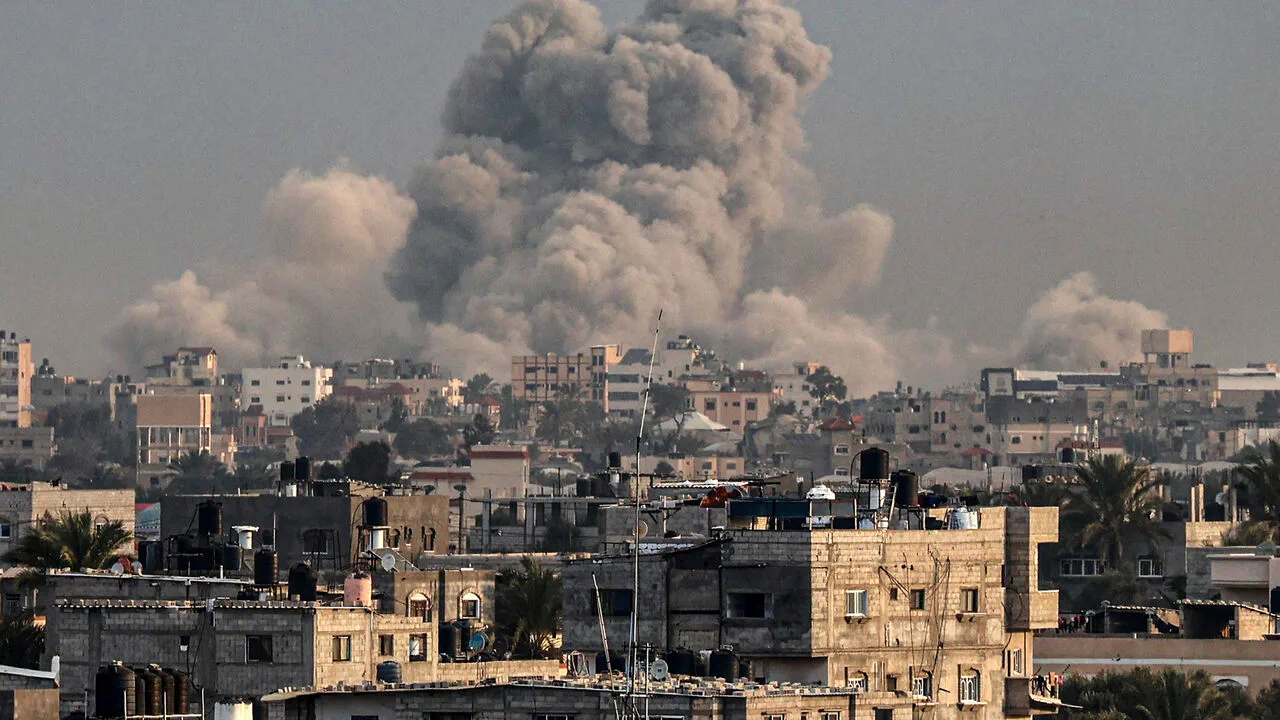
El Obeid is reeling from air strikes, hunger and the influx of displaced people
Sudan Emergency
Soudan
Famine Emergency

Fighting, shortages and the collapse of essential services are leaving millions of people vulnerable to hunger, disease and displacement.

Read the article
Natural Disaster

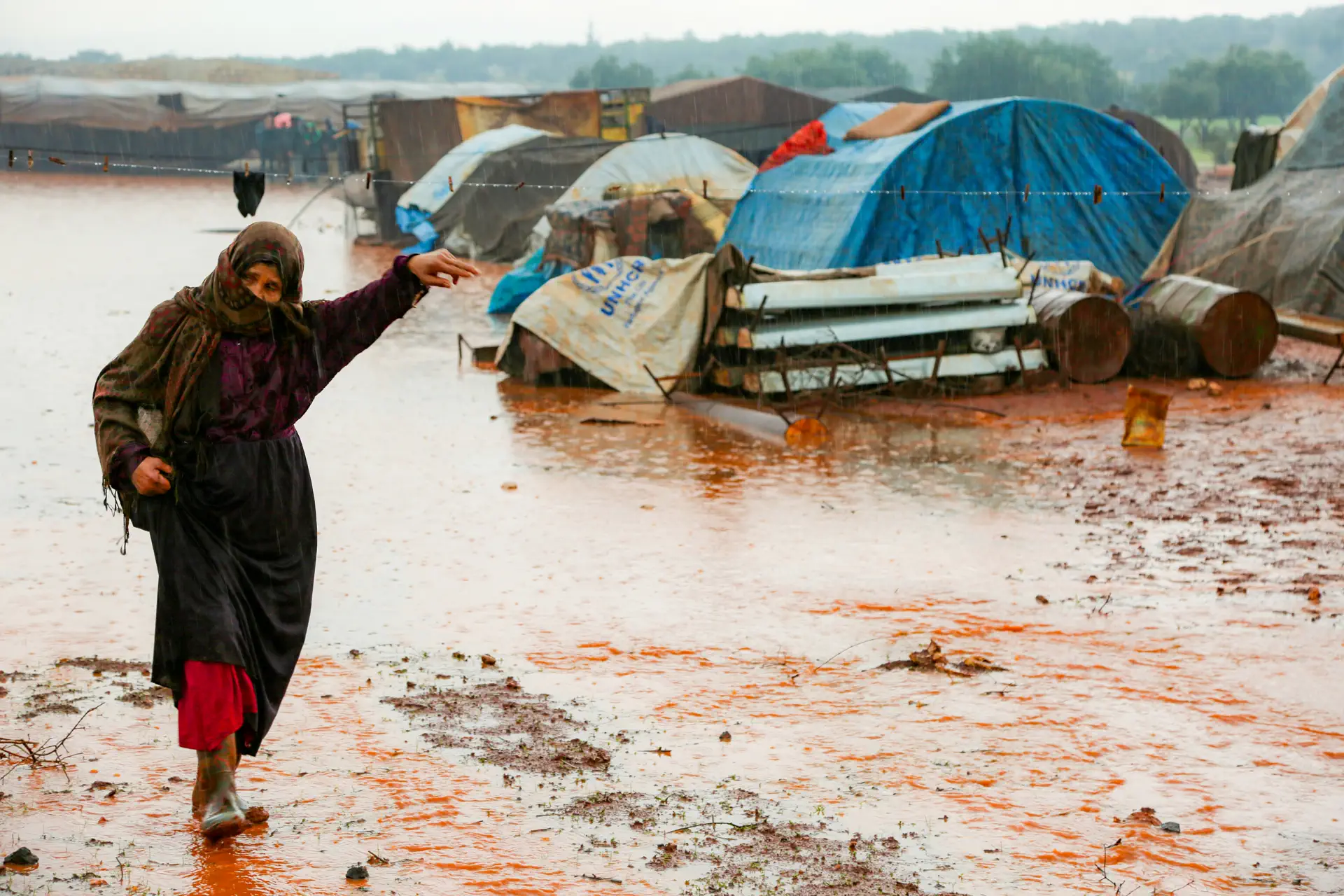
Devastating floods sweep away villages and leave thousands of people cut off

Nepal Emergency
Népal
Flood Emergency

Communities have lost their homes, their access routes and the infrastructure essential for the arrival of relief efforts.

Read the article
Nutrition Emergency

Up to four severely malnourished children for every single hospital bed

Afghanistan Emergency
Afghanistan
Malnutrition Emergency

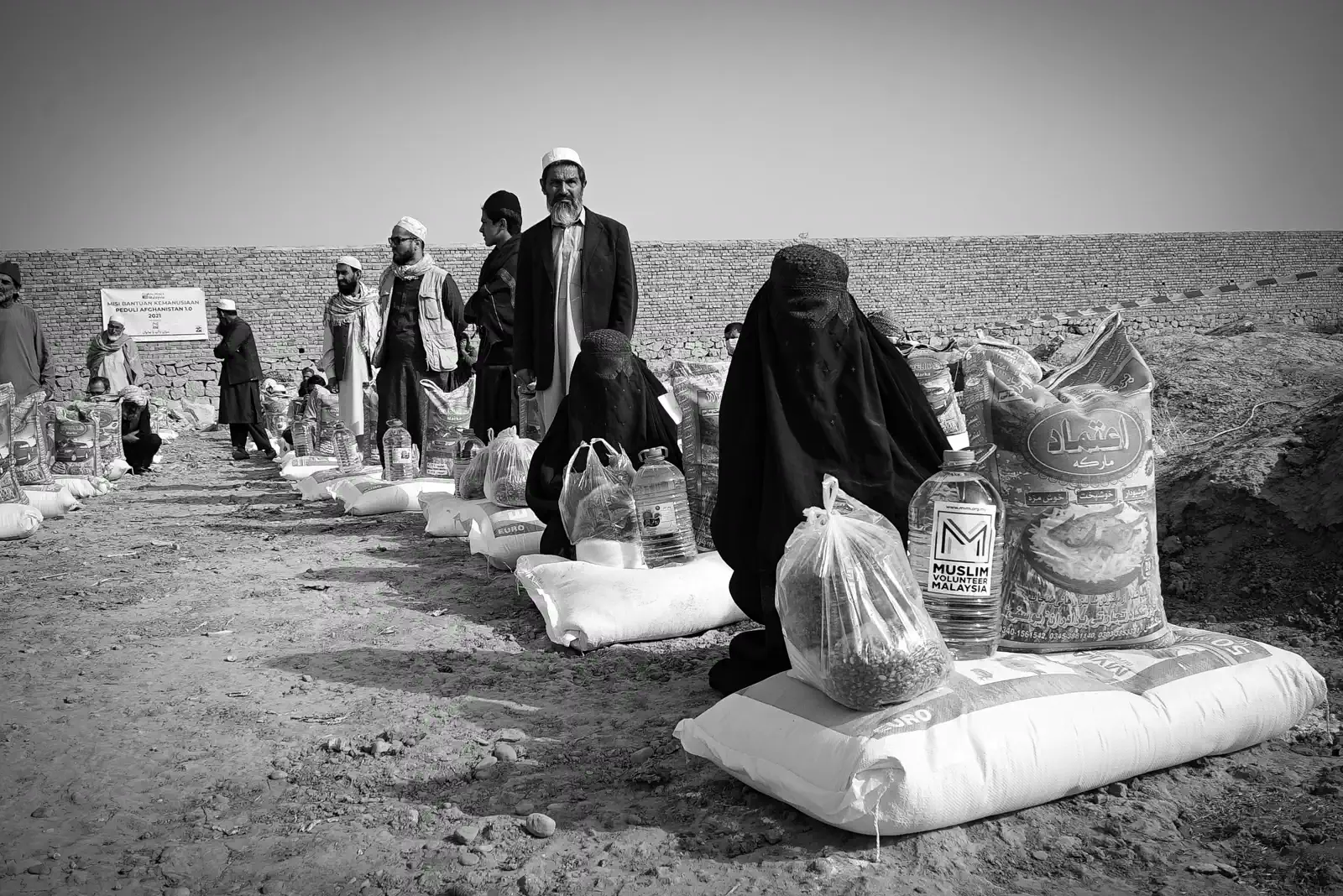
The rise in child malnutrition is overwhelming healthcare facilities and directly endangering the lives of thousands of children.

Read the article
Conflict & Climate

War and the monsoon are driving millions of people into hunger

Myanmar Emergency
Myanmar
Conflict & Climate

Conflict, displacement and flooding are simultaneously exacerbating hunger, poor health and the loss of livelihoods.

Read the article
Earthquake

A powerful earthquake has left tens of thousands of people homeless

Indonesia Emergency
Indonésie
Earthquake Emergency

Once first aid has been provided, affected families need to find shelter, gain access to essential services and be given the means to rebuild their lives.

Read the article
Regional Crisis

Violence, hunger and epidemics are tightening their grip on millions of people

Sahel Emergency
Sahel
Regional Crisis

Displacement, the closure of social services and restrictions on humanitarian access are exacerbating a crisis that spans borders.

Read the article
International Relief - Our Field Commitment
OUR COMMITMENT

Solidarity transformed into action

Behind every crisis, women, men and children face the loss of a home, the absence of healthcare, hunger, fear or uncertainty about tomorrow. Their dignity remains intact, even when everything that allowed them to live safely has disappeared.

International Relief refuses to let distance, silence or lack of resources condemn these populations to oblivion. Its cause brings together those who want to turn solidarity into a useful, organized presence capable of meeting real needs.

Joining this cause means choosing not to remain a spectator. It means contributing to protecting lives, supporting recovery and giving communities the ability to move forward on their own.

THE EMERGENCY IN PICTURES

See the emergency, understand what it disrupts

VIDEO 1: WATER SHORTAGE

When water is scarce, all of life is weakened

Searching for water for hours, using unsafe water or having to choose between drinking, cooking and washing: this reality exposes families to disease, exhausts communities and deprives many children of the time needed to learn.

Restoring safe access to water means protecting health, preserving dignity and allowing family, school and economic life to resume. It also means preventing the worsening of poverty and sustainably strengthening the resilience of territories.

VIDEO 2: NATURAL DISASTERS

When everything disappears, recovery must begin

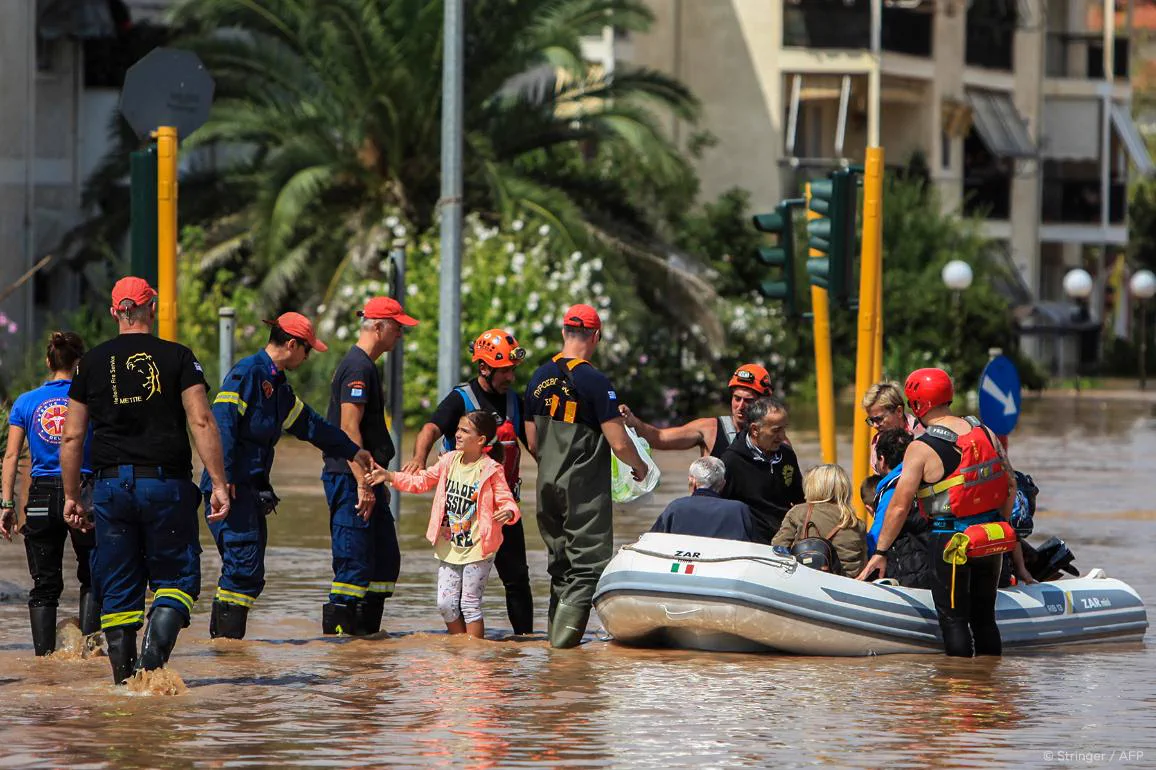
In moments, a flood, earthquake or storm can sweep away homes, interrupt healthcare, isolate communities and force families to flee. The disaster then destroys far more than infrastructure: it weakens security, social bonds and future prospects.

Providing relief is essential. Restoring services, rebuilding under better conditions and reducing future risks are equally important. Every response must enable populations to regain stability and prepare for future shocks.

OUR AREAS

OF INTERVENTION

Crises affect multiple dimensions of life simultaneously. International Relief acts across five complementary areas to meet vital needs and support the recovery of populations.

1. Health sector

Health and medical relief

Protecting lives, maintaining access to healthcare and containing health risks threatening communities.

LEARN MORE
2. Food sector

Food security and nutrition

Fighting hunger, preventing malnutrition and preserving families' capacity to regain their autonomy.

LEARN MORE
3. Natural and climate disasters

Prevention, relief and recovery

Anticipating risks, rescuing populations and supporting the reconstruction of more resilient territories.

LEARN MORE
4. Essential needs

Water, hygiene, sanitation, shelter

Restoring the conditions essential for health, safety and a dignified life.

LEARN MORE
5. Humanitarian protection

Protection, assistance and dignity

Preventing violence, abuse and exclusion while protecting the rights of exposed persons.

LEARN MORE
RESULTS AND ACCOUNTABILITY

Results that concretely improve the response provided to populations

The commitment of International Relief takes on its full meaning when a person regains access to an essential need, when a family can live with greater safety or when a community has better capacity to recover. The interventions undertaken thus produce effects on protection, living conditions, essential services and the resilience of populations.

These results are documented in order to assess the changes achieved, improve responses and account for the use of mobilized resources. Their communication respects the confidentiality, protection and dignity of the people concerned.

PARTNERS

Uniting forces in service of populations

No organization can respond alone to the scale of crises. International Relief brings together the resources, expertise and capacities of different partners around a shared requirement: providing populations with a useful, dignified and lasting response.

1. Philanthropists

Your commitment can enable an intervention to take shape and a community to regain the essentials.

2. Businesses and foundations

Mobilize your resources, expertise and innovation capacities in favor of high human and social impact responses.

3. States and public institutions

Let us coordinate interventions, protect essential services and support national and territorial recovery priorities.

4. Technical and financial partners

Let us build rigorous, monitored and accountable responses based on identified needs and desired results.

5. Local and territorial authorities

Let us strengthen local preparedness, service continuity and the capacities of territories facing crises.

6. International organizations and development agencies

Let us link humanitarian assistance, recovery, resilience and sustainable development within complementary initiatives.

7. NGOs and associations

Let us combine expertise, community networks and operational capacities to reach more populations.

8. Diaspora

Transform your knowledge of territories, your networks and your solidarity into concrete support for affected communities.